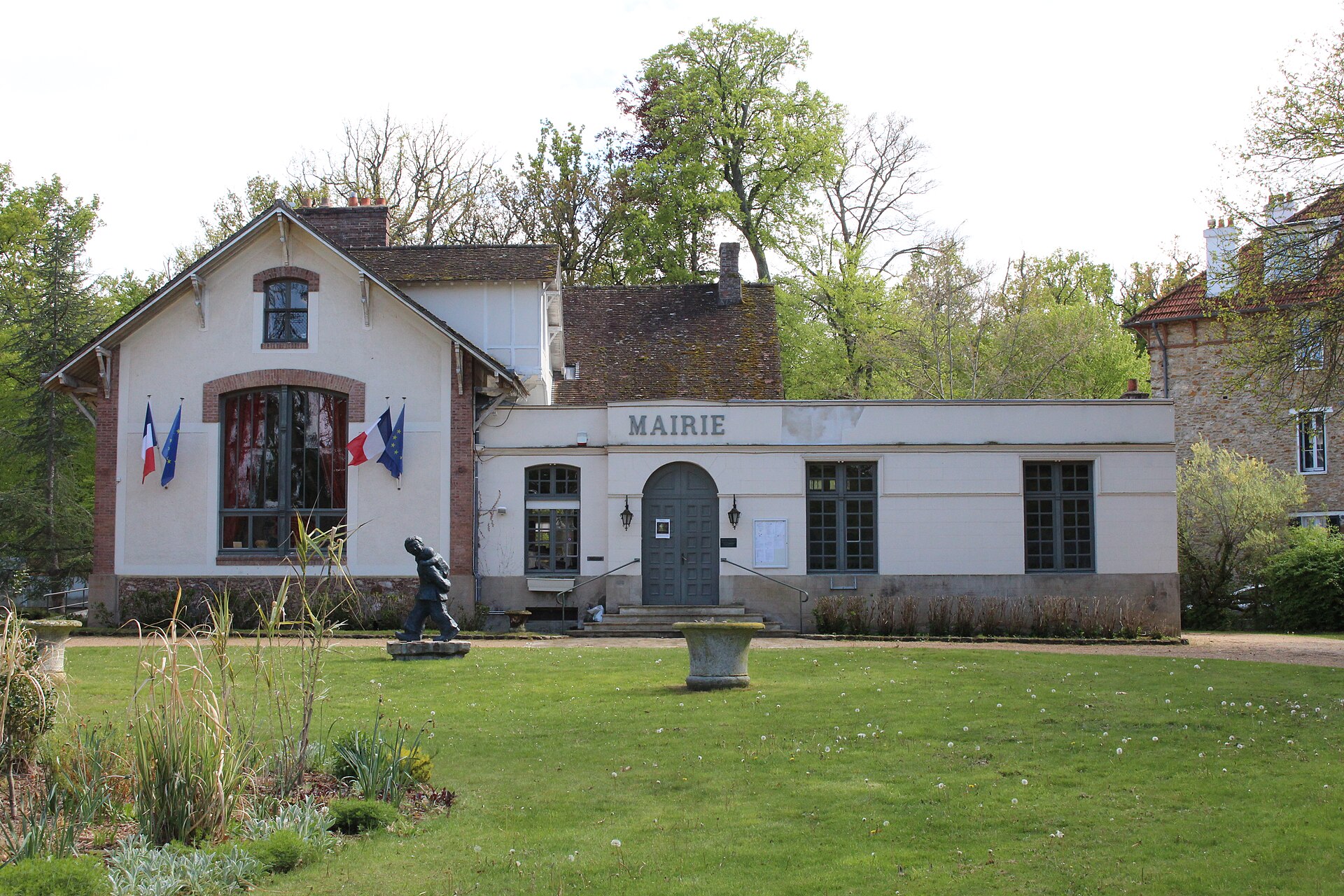
Seine-et-Marne, Île-de-France, France
Barbizon
The village on the edge of the Fontainebleau forest where Rousseau, Millet and Corot invented painting outdoors — one street of studios and galleries, and a museum inside the painters' old inn.
Plan your visit
Getting there & how long to stay
Travel time
~1h 20m from Paris
Getting there
Train, then bus
Suggested time
Half day, or a full day with a forest walk or Fontainebleau
The travel details on this page were checked against official tourism, attraction and restaurant websites on 19 September 2026.
Check these specific details before you go
- The bus 3421 timetable from Fontainebleau-Avon for your day, including the Sunday and holiday service
- The forestry service map of open and closed forest sectors after the July 2026 fires, on the day you walk
- Whether the Bas-Bréau restaurant has resumed regular service — its own site and the tourist office listing disagree
- Standalone opening hours for the Maison-atelier Théodore Rousseau if you plan to visit it apart from the main museum
- Opening hours and prices for L'esquisse Café, La Juxtaposition and Les Pléiades, none of which are published
- Parking availability in the village on busy weekends — no official car park information is published
About Barbizon
Barbizon is essentially one street, the Grande Rue, running up to the edge of the Fontainebleau forest. Between the 1820s and the 1870s it filled with painters — Théodore Rousseau, Jean-François Millet, Camille Corot and their circle — who abandoned studio convention to work outdoors among the oaks and sandstone boulders. What they did here fed directly into Impressionism, and the village kept the evidence: the Auberge Ganne, where they lodged and painted on the walls and furniture, is now the departmental museum, and Rousseau's studio a few doors along is its annexe. The forest is the other half of the visit. The state forest of Fontainebleau begins at the end of the street, with sandy paths, boulders and the Bas-Bréau oaks the painters worked among. Note that fires in July 2026 burned roughly 2,000 hectares and some sectors have stayed closed, so check the forestry service map before planning a walk.
Why visit
Barbizon is small, walkable and unusually concentrated: two museum sites, a street of galleries and studios, and a forest you can step straight into. It suits a half day of art followed by an afternoon walk, and it pairs easily with the Château de Fontainebleau ten kilometres away.
Highlights & attractions
Musée départemental des peintres de Barbizon (Auberge Ganne)
The inn where the painters lodged, with the murals and painted furniture they left behind, and works by Rousseau, Millet and Corot. Open daily except Tuesday, 10:00-12:30 and 14:00-17:30 (to 18:00 from April to October); published admission €8, reduced €5.
Official siteMaison-atelier Théodore Rousseau
Rousseau's house and studio at 55 Grande Rue, the museum's annexe, used for temporary exhibitions. Covered by the same ticket as the Auberge Ganne.
Official siteForêt domaniale de Fontainebleau
The state forest begins at the end of the Grande Rue: sand paths, sandstone boulders and the old oaks of the Bas-Bréau. After the July 2026 fires, check the forestry service map of open and closed sectors before setting out.
Official siteCircuit des peintres
A signposted walking route through the village and into the forest, linking the spots where the Barbizon painters set up their easels.
Official siteThe Grande Rue
Former painters' houses, working artists' studios, galleries and tea rooms along the village's single main street.
Official siteBarbizon tourist information point
At 84 bis Grande Rue, open daily 10:00-13:00 and 14:00-18:00 from April to October, with reduced days from November to March. The place to pick up forest maps and the painters' circuit.
Official site
Suggested itinerary
10:30
Arrive in the village and stop at the tourist information point at 84 bis Grande Rue for the forest access map and the painters' circuit.
10:45
Musée départemental des peintres de Barbizon at the Auberge Ganne, about an hour.
11:45
Maison-atelier Théodore Rousseau, 30-45 minutes on the same ticket.
12:30
Lunch on the Grande Rue.
14:00
Walk into the forest from the top of the village towards the Bas-Bréau oaks and the boulders — on open sectors only.
16:00
Tea or coffee back on the Grande Rue and a look through the galleries.
17:00
Bus 3421 back to Fontainebleau-Avon and the train to Gare de Lyon.
How to get there from Paris
By train and bus: take Transilien line R from Paris Gare de Lyon to Fontainebleau-Avon, under 40 minutes direct. From the station, bus line 3421 runs to Barbizon via Chailly-en-Bière. The route was extended to serve Barbizon on Sundays and public holidays, but check the current timetable for your day — this last leg is the part of the journey that fails if you do not plan it. Since January 2025 the Île-de-France flat fares apply: €2.55 for a Transilien or RER ticket and €2 for a bus. By car: about 70 km from Paris via the A6, roughly an hour to the Pays de Fontainebleau. Barbizon lies on the forest side of Chailly-en-Bière, signposted from the N7. Combining with Fontainebleau: the château is about 10 km away and on the same bus corridor, which makes a two-stop day realistic if you start early.
Timetables and fares change: always confirm on the operator's official site before travelling.
Restaurants & local food
For a village of this size Barbizon has an unusual number of tables, a legacy of the artists'' inns: a couple of hotel restaurants, a bistro or two and tea rooms along the Grande Rue. Weekends are busy with walkers coming out of the forest, so book if you want lunch at a specific place.
La Folie Barbizon
Seasonal French, local produce · Prices not published online
5 Grande Rue, 77630 Barbizon
Seasonal cooking with a terrace in summer and a fireplace in winter, at the bottom of the main street.
Official websiteLa Bohême
Traditional French · Prices not published online
Grande Rue, Barbizon
Traditional cooking with an ivy-shaded terrace, listed by both the regional and local tourist offices.
Official websiteL'esquisse Café
Café · Prices not published online
Grande Rue, Barbizon, at the L'esquisse hôtel-culturel
The café of the village's art hotel — a comfortable stop between the museum and the forest.
Official websiteLa Juxtaposition
Tea room · Prices not published online
Barbizon
A salon de thé with a small boutique corner and occasional workshops, listed by the departmental tourist board.
Official websiteLe Bas-Bréau
Gastronomic, game and forest cooking · Historic tourist office listing: à la carte €8-45; status currently uncertain
22 Grande Rue, Barbizon
The restaurant of the historic Hôtellerie du Bas-Bréau. The hotel's own site has described regular restaurant service as suspended and the room as available for private events — confirm before planning lunch here.
Official website
Menus, prices and closing days change — we link each restaurant's own website so you can confirm before you set off. We do not take payment from any restaurant listed here.
Local specialities
Game from the Fontainebleau forest — venison, wild boar, pheasant — appears on menus in autumn and winter, and Brie de Meaux and Brie de Melun come from the same département. The forest also supplies the chanterelles and ceps that show up as seasonal specials.
Practical travel tips
One ticket covers both museum sites — the Auberge Ganne and the Maison-atelier Théodore Rousseau. The museum is closed on Tuesdays, and on 1 January, 1 May and 24-25 December. Check the forestry service's interactive map of open and closed forest sectors before walking. Fires in July 2026 burned about 2,000 hectares; most of the forest has reopened, but not all of it. The last leg is the weak link. Bus 3421 from Fontainebleau-Avon is infrequent compared with the trains, so work out your return bus before you commit to an afternoon walk. Take proper shoes for the forest: the paths are sand and sandstone, uneven and slippery after rain. The village has no supermarket to speak of — bring water for the forest rather than relying on buying it at the top of the street.
Parking & arriving by car
Barbizon is a single street and parking is on-street along and around the Grande Rue; the village fills quickly on fine weekends and during school holidays. No official page publishing named public car parks or charges could be found, so follow local signage. Hotels in the village, such as the Hôtellerie du Bas-Bréau, advertise free parking for their own guests only.
Seasonal considerations
The museum closes at 18:00 from April to October and at 17:30 from November to March. Autumn is the classic season here: the forest colour in October and November is what draws walkers and photographers, and it is when game appears on local menus. Spring brings the fresh green the painters chased. Summer weekends are the busiest, and the village parking fills early. Forest access may also be restricted in periods of high fire risk, and sectors burned in July 2026 have been reopening in stages. The Barbizon tourist information point runs shorter hours and closes on some days between November and March.
Sources
- https://commons.wikimedia.org/wiki/File:Mairie_Barbizon_1.jpg
- https://www.hotelleriedubasbreau.fr/restaurant-bar/
- https://www.musee-peintres-barbizon.fr/fr/horaires-tarifs
- https://www.onf.fr/vivre-la-foret/foret-domaniale-pres-de-chez-moi/%2B/1793::foret-domaniale-de-fontainebleau.html
- https://www.fontainebleau-tourisme.com/fr/preparer-son-sejour/infos-pratiques/venir-au-pays-de-fontainebleau-train-voiture-velo/
- https://www.tourisme-seine-et-marne.fr/retrouvez-les-bonnes-adresses-autour-de-barbizon/
- https://www.pays-fontainebleau.fr/les-reseaux-de-bus/
- https://www.fontainebleau-tourisme.com/fr/preparer-son-sejour/infos-pratiques/offices-de-tourisme-pays-fontainebleau/point-accueil-barbizon/
Keep exploring
Similar destinations
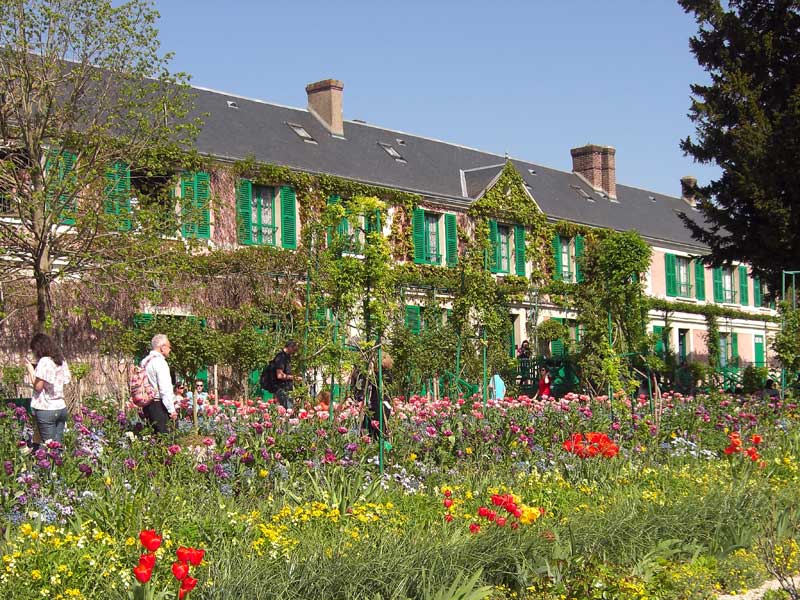
Eure, Normandy
Giverny
The Normandy village where Claude Monet lived from 1883 to 1926 — his pink house, the Clos Normand flower garden and the water-lily pond, plus an Impressionism museum, 45-50 minutes by train from Paris Saint-Lazare.
- Travel time
- ~1h 15m from Paris
- Transport
- Direct train
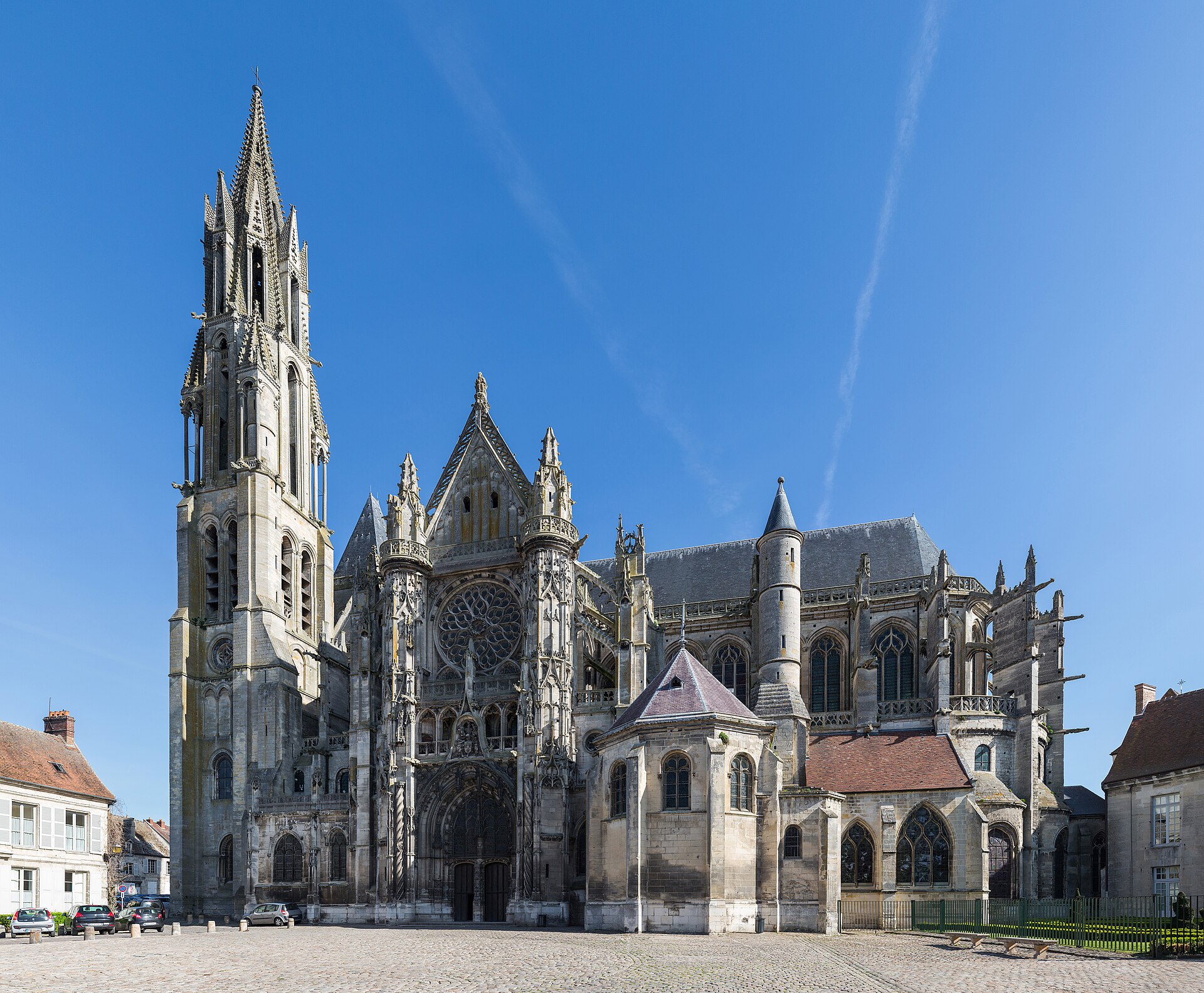
Oise, Hauts-de-France
Senlis
A royal and medieval town 45 km north of Paris, with an early Gothic cathedral, Gallo-Roman walls, cobbled streets used constantly as film sets, and Chantilly next door.
- Travel time
- ~1h 10m from Paris
- Transport
- Train, then bus
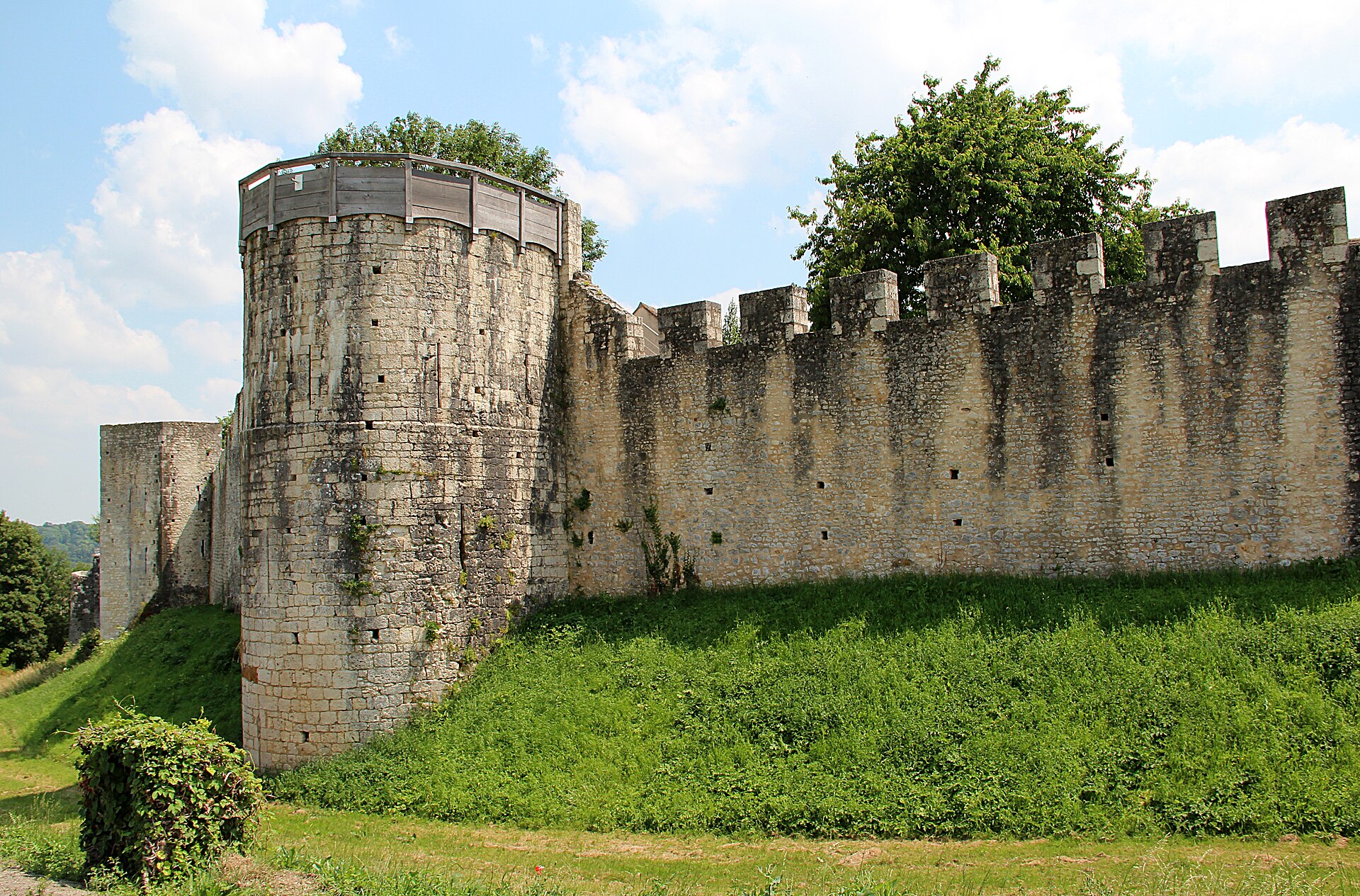
Seine-et-Marne, Île-de-France
Provins
A UNESCO-listed medieval walled city 80 km south-east of Paris, with a 12th-century keep, walkable ramparts, underground galleries and daily equestrian and falconry shows in season.
- Travel time
- ~1h 20m from Paris
- Transport
- Direct train
Discover More of France
New destinations and seasonal ideas, occasionally.